
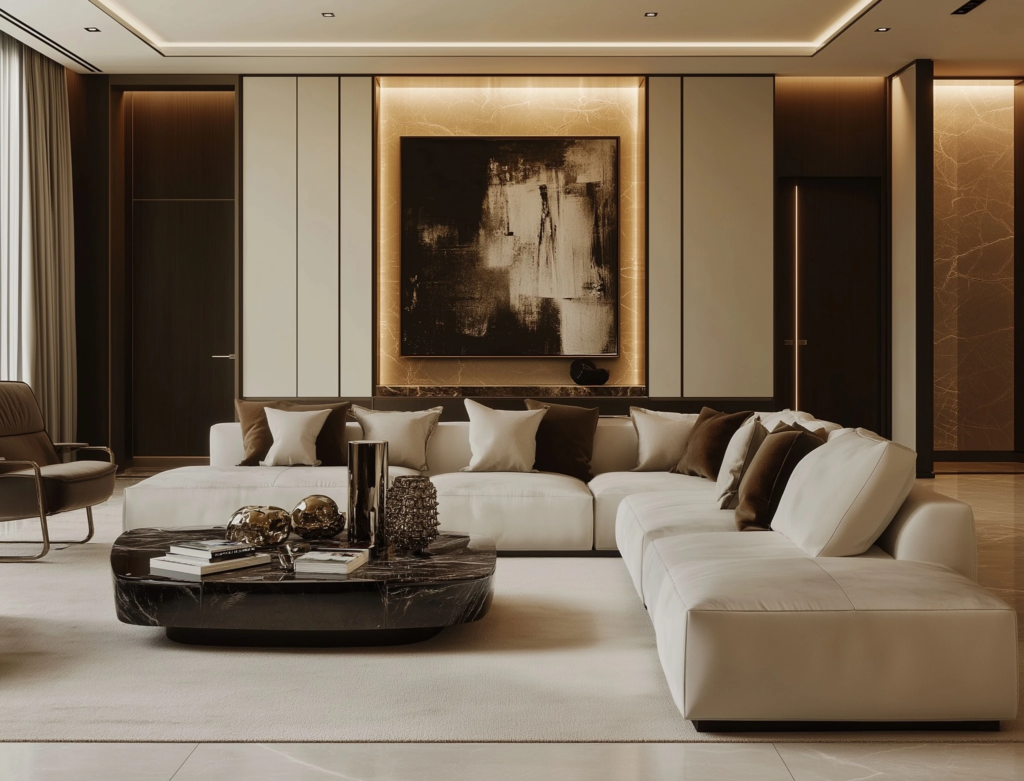
Interior design is more than just decorating a room—it is the art and science of enhancing the interior of a space to create a more aesthetically pleasing, functional, and comfortable environment. Whether it’s a cozy home, a modern office, or a luxury hotel, interior design plays a crucial role in shaping how we experience and interact with our surroundings.
In today’s fast-paced world, thoughtfully designed interiors can significantly impact mood, productivity, and overall well-being. This comprehensive guide explores everything you need to know about interior design, from styles and principles to trends and practical tips.
What is Interior Design?
Interior design is a multifaceted profession that combines creativity, technical knowledge, and functionality. It involves planning layouts, selecting color schemes, choosing furniture, and incorporating lighting to create harmonious spaces. Unlike simple decoration, interior design considers architecture, ergonomics, and spatial planning.
Professional interior designers analyze client needs, understand spatial limitations, and transform ideas into practical, beautiful designs that reflect personality and purpose.
Importance of Interior Design
Interior design is not just about making spaces look attractive—it enhances the way we live and work. Here are some key benefits:
1. Improves Functionality
A well-designed space ensures efficient use of every square foot. Smart layouts and furniture placement can make even small spaces feel spacious and practical.
2. Enhances Comfort
Interior design focuses on comfort by balancing lighting, ventilation, textures, and furniture.
3. Boosts Aesthetic Appeal
A beautifully designed interior creates a lasting impression and adds value to any property.
4. Reflects Personality
Your space is a reflection of who you are. Interior design allows you to express your style, taste, and lifestyle.
5. Increases Property Value
Homes and commercial spaces with professional interior design often attract higher resale or rental value.
Key Principles of Interior Design
Understanding the fundamental principles of interior design helps create balanced and visually appealing spaces.
Balance
Balance ensures visual stability in a room. It can be:
- Symmetrical (equal on both sides)
- Asymmetrical (different elements balanced visually)
- Radial (arranged around a central point)
Harmony and Unity
All elements in a space should work together to create a cohesive look. Colors, textures, and furniture should complement each other.
Contrast
Contrast adds interest by combining different colors, shapes, or textures—like pairing light walls with dark furniture.
Rhythm
Rhythm creates movement by repeating patterns, colors, or shapes throughout the space.
Proportion and Scale
Furniture and décor should match the size of the room. Oversized furniture in a small room can feel overwhelming.
Popular Interior Design Styles
Interior design offers a wide range of styles to suit different tastes and preferences.
Modern Interior Design
Modern design focuses on simplicity, clean lines, and minimalism. Neutral colors, sleek furniture, and uncluttered spaces define this style.
Contemporary Style
Often confused with modern design, contemporary interiors evolve with current trends and feature bold elements, open spaces, and innovative materials.
Traditional Style
This style reflects classic European décor with rich colors, ornate details, and elegant furniture.
Minimalist Design
Minimalism emphasizes “less is more.” It focuses on simplicity, functionality, and clutter-free spaces.
Industrial Style
Inspired by warehouses and factories, this style features exposed brick walls, metal fixtures, and raw finishes.
Scandinavian Design
Known for its simplicity and functionality, Scandinavian interiors use light colors, natural materials, and cozy elements.
Bohemian Style
Boho design is eclectic and vibrant, combining different patterns, colors, and textures for a relaxed, artistic vibe.
Essential Elements of Interior Design
To create a well-designed space, several elements must be considered:
1. Space
Space is the foundation of any interior design. It includes both:
- Positive space (occupied by furniture)
- Negative space (empty areas)
A good balance ensures the room doesn’t feel overcrowded.
2. Color
Color sets the mood and tone of a space. Warm colors like red and orange create energy, while cool colors like blue and green promote calmness.
3. Lighting
Lighting is crucial for both functionality and ambiance. It includes:
- Ambient lighting (general)
- Task lighting (specific activities)
- Accent lighting (highlight features)
4. Texture
Textures add depth and interest. Combining soft fabrics with hard surfaces creates a balanced look.
5. Furniture
Furniture should be both stylish and functional. The right selection enhances comfort and usability.
6. Accessories
Accessories like artwork, rugs, cushions, and plants complete the design and add personality.
Interior Design for Different Spaces
Living Room Design
The living room is the heart of the home. Focus on comfortable seating, proper lighting, and a welcoming layout. Use rugs and artwork to define the space.
Bedroom Design
Bedrooms should promote relaxation. Soft colors, cozy bedding, and minimal clutter create a peaceful environment.
Kitchen Design
Functionality is key in kitchens. Efficient layouts like the work triangle (sink, stove, refrigerator) improve usability.
Bathroom Design
Bathrooms should combine practicality with style. Use good lighting, storage solutions, and modern fixtures.
Office Design
A well-designed office boosts productivity. Ergonomic furniture, proper lighting, and organized layouts are essential.
Latest Interior Design Trends
Interior design trends continue to evolve, reflecting changes in lifestyle and technology.
Sustainable Design
Eco-friendly materials, energy-efficient lighting, and sustainable practices are becoming increasingly popular.
Smart Homes
Technology integration, such as smart lighting and automated systems, enhances convenience and efficiency.
Biophilic Design
Incorporating nature through plants, natural light, and organic materials improves well-being.
Neutral Color Palettes
Soft, earthy tones create calm and timeless interiors.
Multifunctional Spaces
With smaller living spaces, furniture that serves multiple purposes is in high demand.
Tips for Successful Interior Design
Creating a beautiful interior doesn’t always require a professional. Here are some practical tips:
- Plan Before You Start: Define your goals, budget, and style.
- Choose a Color Scheme: Stick to a consistent palette for a cohesive look.
- Invest in Quality Furniture: Durable pieces save money in the long run.
- Use Lighting Creatively: Layer different lighting types for the best effect.
- Avoid Clutter: Keep spaces clean and organized.
- Add Personal Touches: Include items that reflect your personality.
- Experiment with Textures: Mix materials for a rich, dynamic look.
Common Interior Design Mistakes to Avoid
Even small mistakes can affect the overall design. Avoid these common errors:
- Overcrowding the room with furniture
- Ignoring lighting needs
- Choosing the wrong color combinations
- Neglecting functionality
- Hanging artwork at incorrect heights
- Using mismatched styles
Why Hire a Professional Interior Designer?
While DIY design is possible, hiring a professional offers several advantages:
- Expert Knowledge: Designers understand space planning and materials.
- Time-Saving: They handle everything from concept to execution.
- Budget Management: Professionals help avoid costly mistakes.
- Access to Resources: Designers have connections to suppliers and craftsmen.
Future of Interior Design
The future of interior design is exciting and innovative. With advancements in technology and growing awareness of sustainability, interior design is becoming more personalized, efficient, and environmentally friendly.
Virtual reality (VR) and augmented reality (AR) are transforming how designs are visualized, allowing clients to experience spaces before they are built. Additionally, smart homes and AI-driven designs are redefining comfort and convenience.
Conclusion
Interior design is a powerful tool that transforms ordinary spaces into extraordinary experiences. It blends creativity, functionality, and technology to enhance the way we live, work, and relax.
Whether you’re redesigning your home or planning a new project, understanding the basics of interior design can help you make informed decisions. By focusing on balance, style, and practicality, you can create spaces that are not only beautiful but also meaningful and comfortable.